
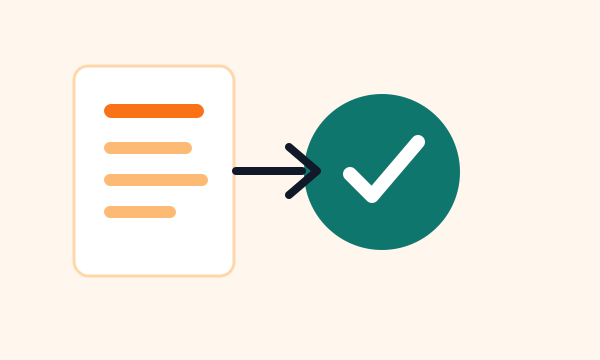
Retrieval-Augmented Generation is often described as a way to reduce hallucination, but retrieval alone does not guarantee grounded answers. A system can retrieve relevant documents and still answer with unsupported claims, mix sources incorrectly, or ignore the evidence when the model's prior knowledge feels more fluent.
Reliable RAG needs a stricter loop: retrieve candidate evidence, judge whether the evidence actually supports the question, constrain the model to answer from those sources, and evaluate the final response against the cited material. This turns retrieval from a context injection trick into an evidence workflow.
The harder design question is not only "did we retrieve something?" It is "should the system answer at all, and can it show why this answer is justified?"
检索增强生成常被视为减少幻觉的途径,但仅有检索并不能保证回答有据可依。系统即使找到了相关文档,仍可能给出没有支撑的断言、错误拼接不同来源,或在模型先验知识看起来更流畅时忽略证据。
可靠 RAG 需要更严格的闭环:检索候选证据,判断证据是否真正支持问题,约束模型依据这些来源回答,再对照引用材料评估最终响应。检索由此从一种上下文注入技巧,变为完整的证据工作流。
更难的设计问题不只是“有没有检索到东西”,而是“系统是否应该回答,以及它能否说明为什么这个回答成立”。